
Bob Pickett reflects on the life of a road racer and
a shining light during Britain’s ‘Darkest Hour’
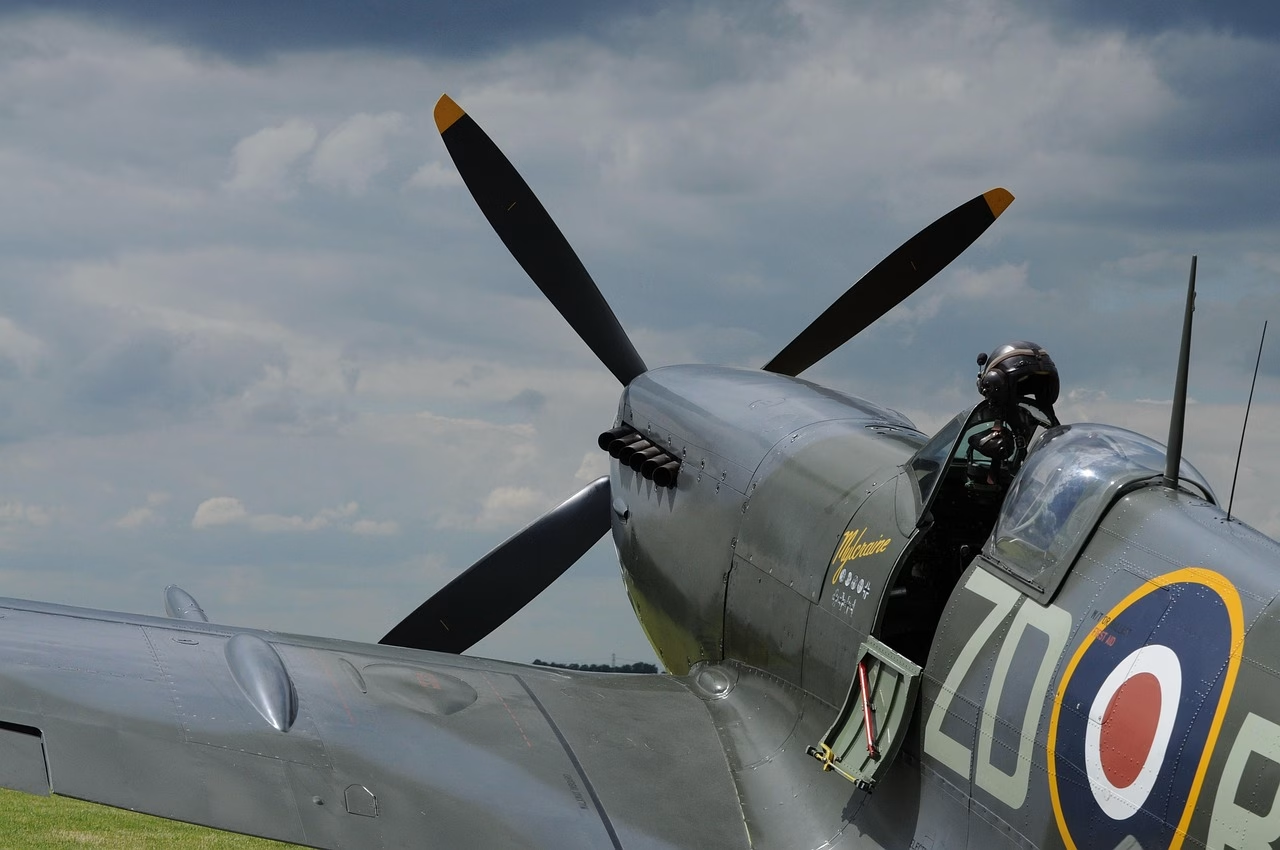
It was Britain’s ‘Darkest Hour’. The German forces had swept across Europe. The next – crucial – step would be the invasion of Britain. But before that could happen, the Nazi forces needed to establish aerial superiority.

The Supermarine Spitfire was faster than its contemporary, the Messerschmitt BF109, and could turn tighter. But the BF109 could climb harder and had a trick up its sleeve the Spitfire could not match. The BF109 was fuel-injected, allowing the aircraft to pitch forward into a dive; if this was attempted in a Spitfire the Merlin’s carburettor flooded, causing it to stall. The Spitfire had to roll over and dive, costing precious seconds in combat.
The solution was devised by Gertrude ‘Tllly’ Shilling, a Principal Technical Officer in the Royal Aircraft Establishment (the R&D arm of the RAF).
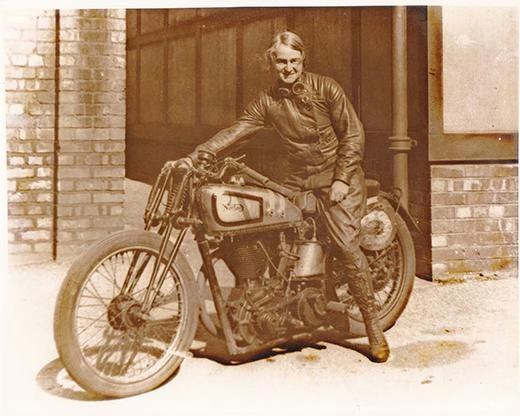
Tilly Shilling was born on 8 March, 1909. As a child she was fascinated by mechanical things, spending her pocket money on hand tools and winning a national Meccano contest. Aged 14 she bought a motorcycle, teaching herself how to disassemble and reassemble its two-stroke engine. She was only one of three women awarded the British Motorcycle Club Gold Star for lapping with an average speed of 101.65mph on a bike fitted with a revolutionary supercharger. The story goes, she refused to marry her husband until he achieved the same feat!
When, in 1932, women were allowed to study electrical engineering, Shilling was only one of two women on the course. After gaining her Bachelor’s Degree she stayed on to add a Masters in Mechanical Engineering.
Her solution to the stalling issue was both elegant and simple. Shilling devised a restrictor plate. It was a brass thimble with a hole in the middle that could be fitted into the engine’s carburettor without taking the aircraft out of service. This restricted maximum fuel flow, preventing flooding. This was later further simplified to a flat washer shape.
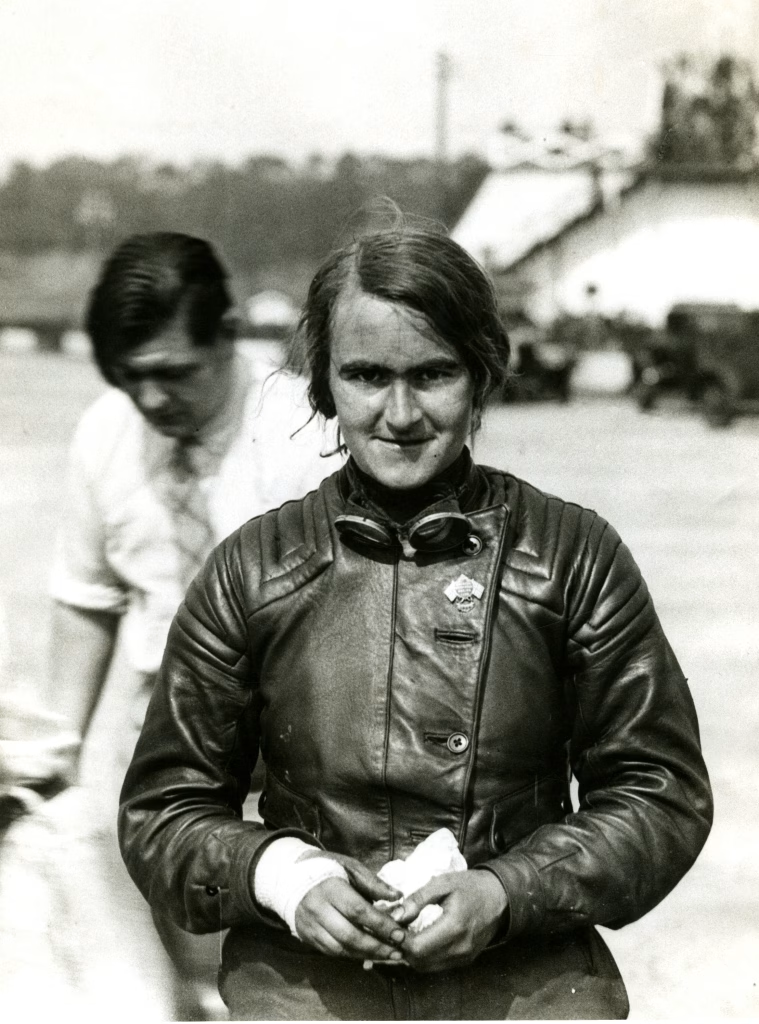
During 1941 she led a small team on a tour of RAF fighter stations – Shilling travelling on her ex-race motorbike – installing the devices in their Merlin engines.
Allowing the Spitfire pilots to compete on a more equal footing, the restrictor was hugely popular with pilots, the device given the affectionate nickname Miss Shilling’s orifice. It continued in use as a stopgap until the introduction of the pressure carburettor in 1943.
After the war she worked on a number of projects including the Blue Streak missile, and the effect of a wet runway on braking. She was made an Officer of the Order of the British Empire in 1949. Shilling has a pub named after her in Farnborough.
Gertrude ‘Tilly’ Shilling: Born 8 March, 1909, died 18 November, 1990.
- Main image | Gunter Lohmeyer from Pixabay
- Images | Mortons Archive, Wikimedia Commons, Pixabay