As I entered my late teenage years, one of the first books that captivated me was One Day in the Life of Ivan Denisovick by Alexander Solzhenitsyn. Foreshadowing his later detailed accounts of the Soviet prison-camp system, it is a classic portrayal of life in the gulag. Full of narrative power and moral authority, it continued the tradition of the great 19th Century Russian novelists, especially Dostoevsky and Tolstoy.
Whilst not having a single universally agreed upon ‘greatest’ quote, Fyodor Dostoevsky’s ‘The mystery of human existence lies not in just staying alive, but in finding something to live for’ is widely cited as one of his most profound. And that truly resonates with me.
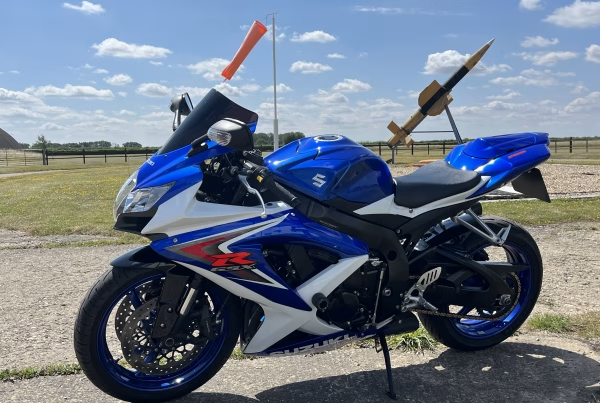
For many of us, riding a motorcycle is a wonderful form of active therapy, helping reduce stress and clear the mind. According to Motorcycle Missions, ‘throttle therapy’, as some refer to it, shows that just a 20-minute motorcycle ride can lower cortisol – the primary stress hormone levels – by 28 per cent. Riding exposes bikers directly to the wind, changing temperatures, and surroundings, a sensory connection that helps one feel alive and grounded in the present moment.
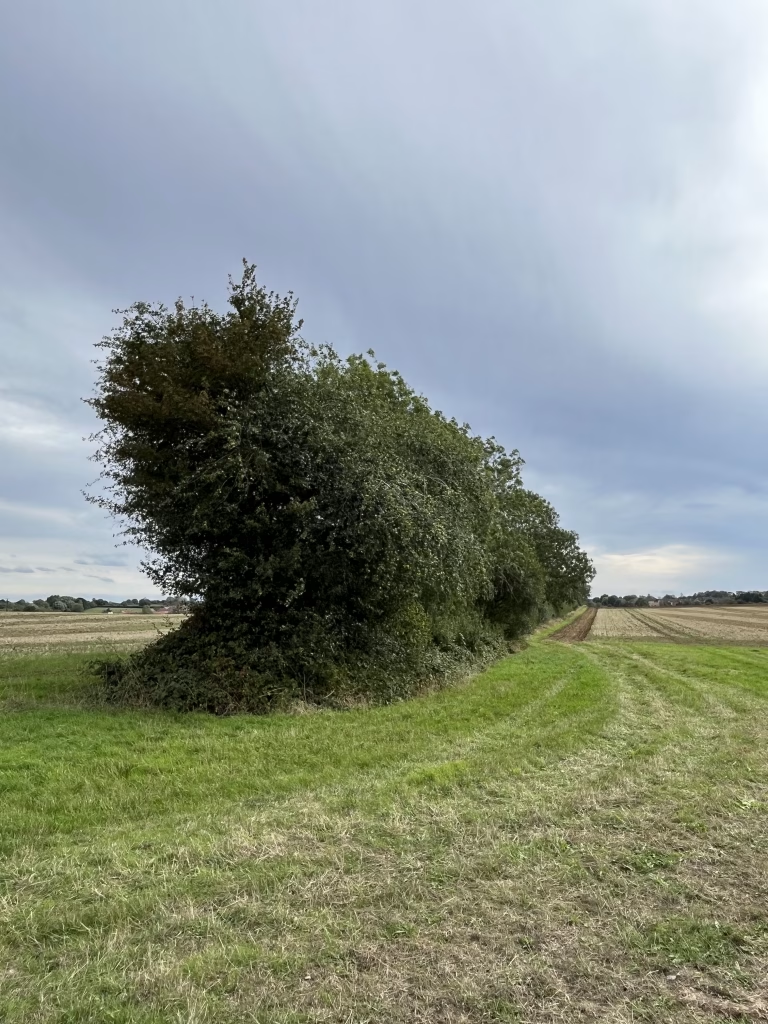
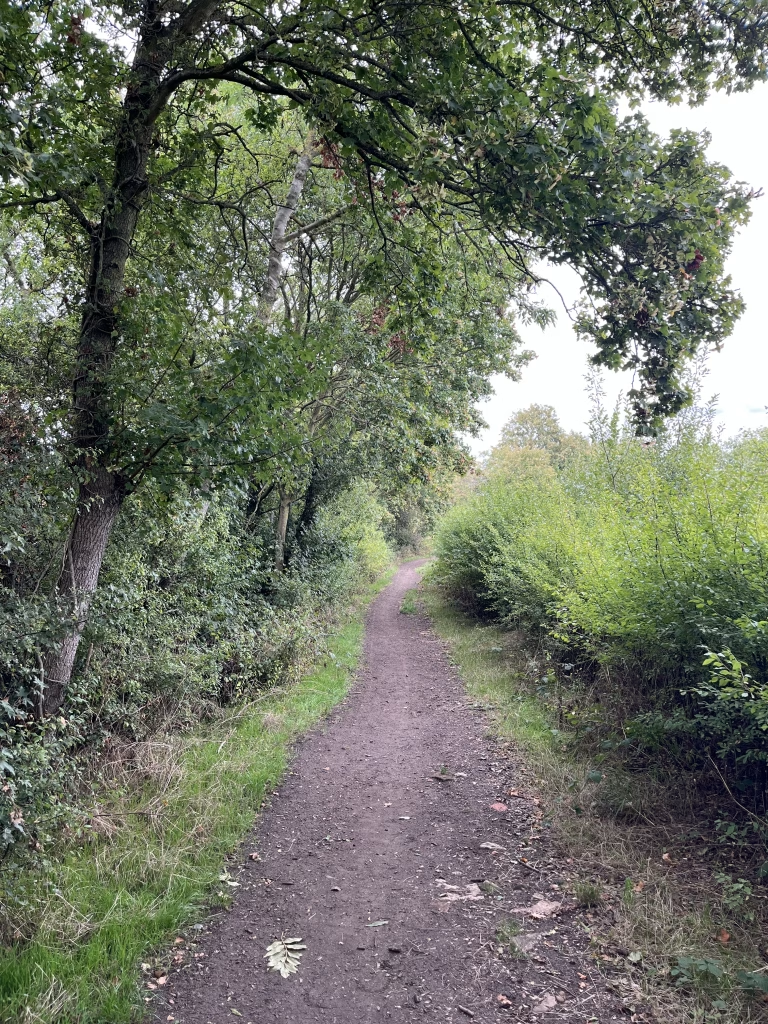
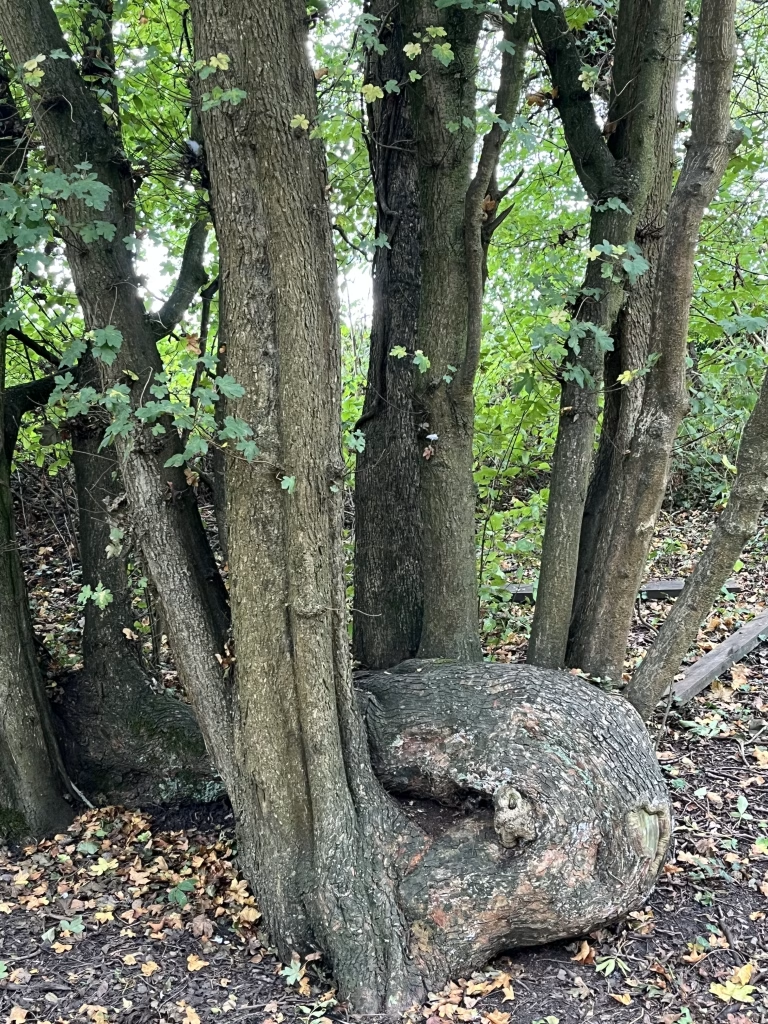
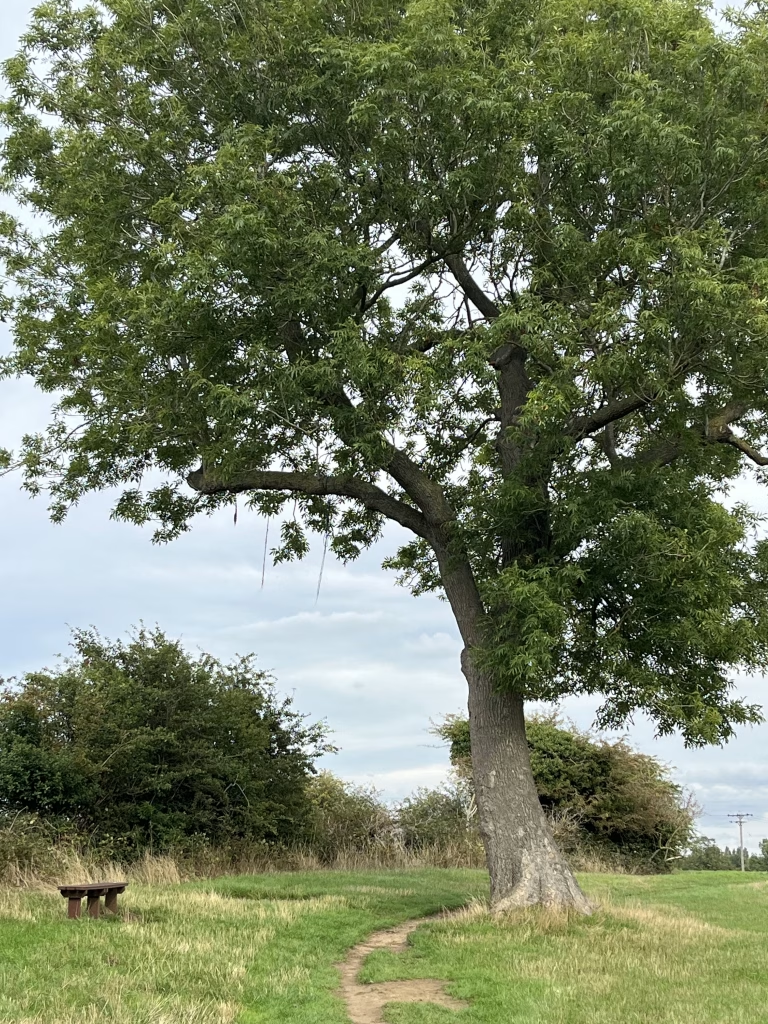
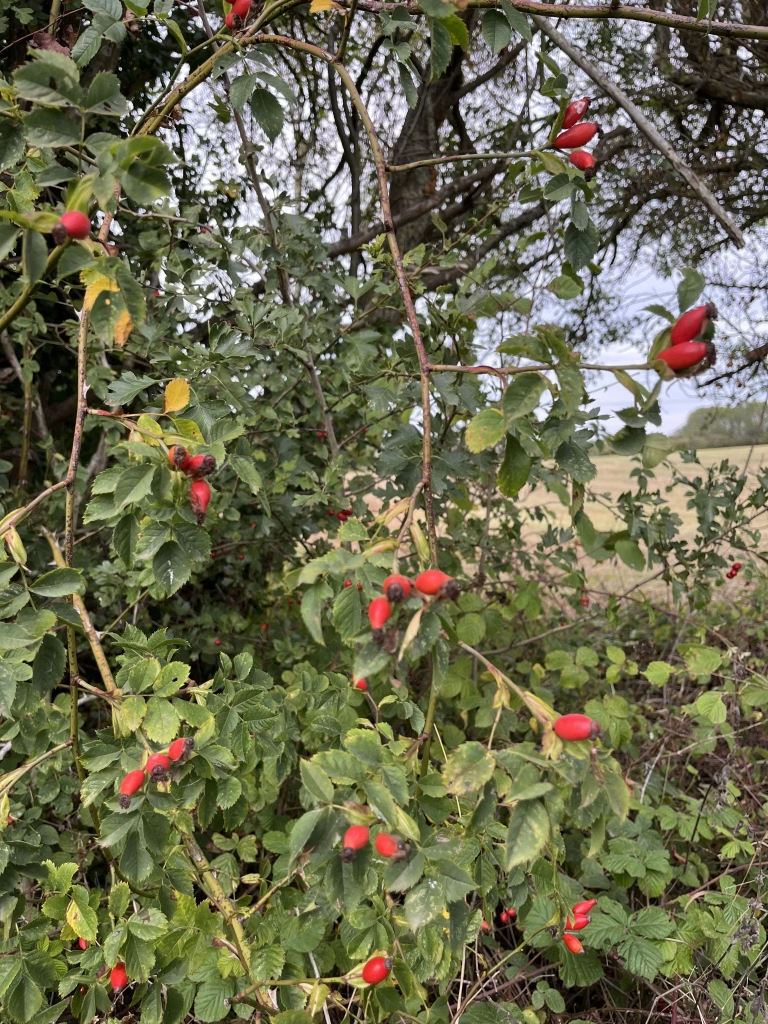
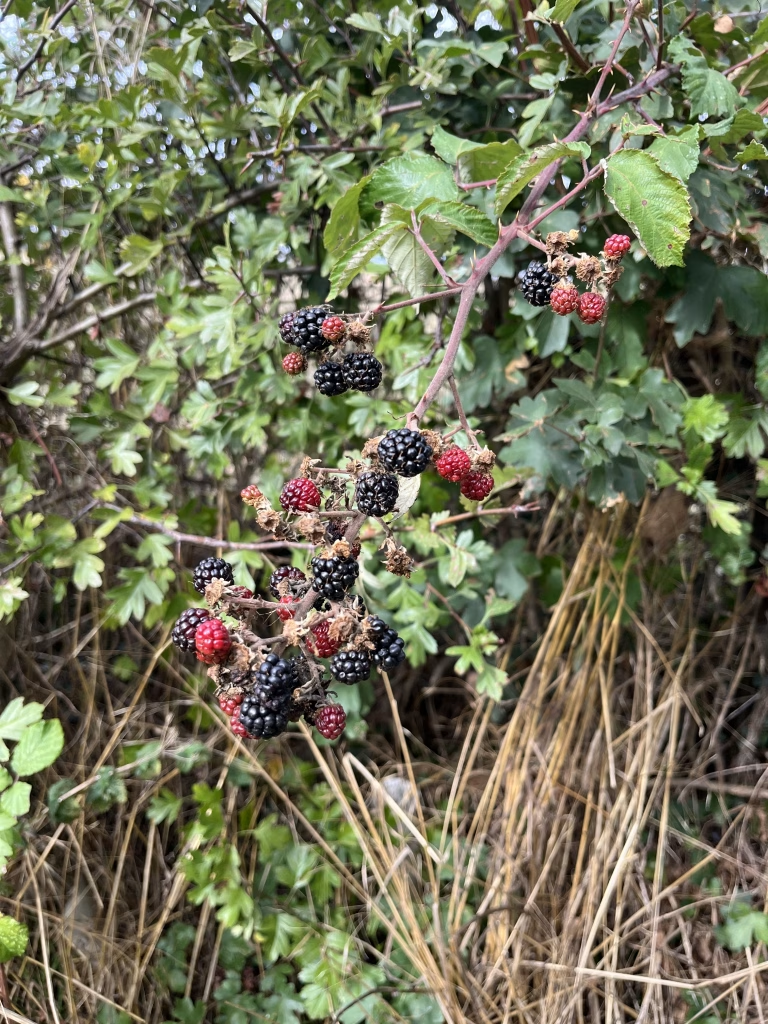
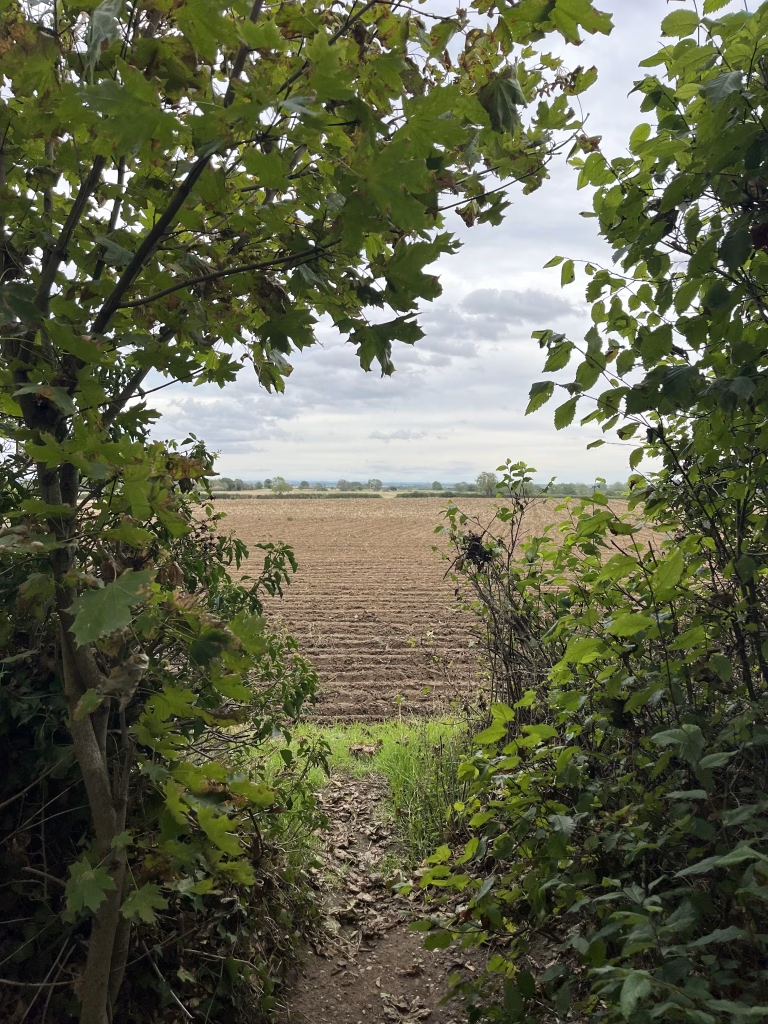
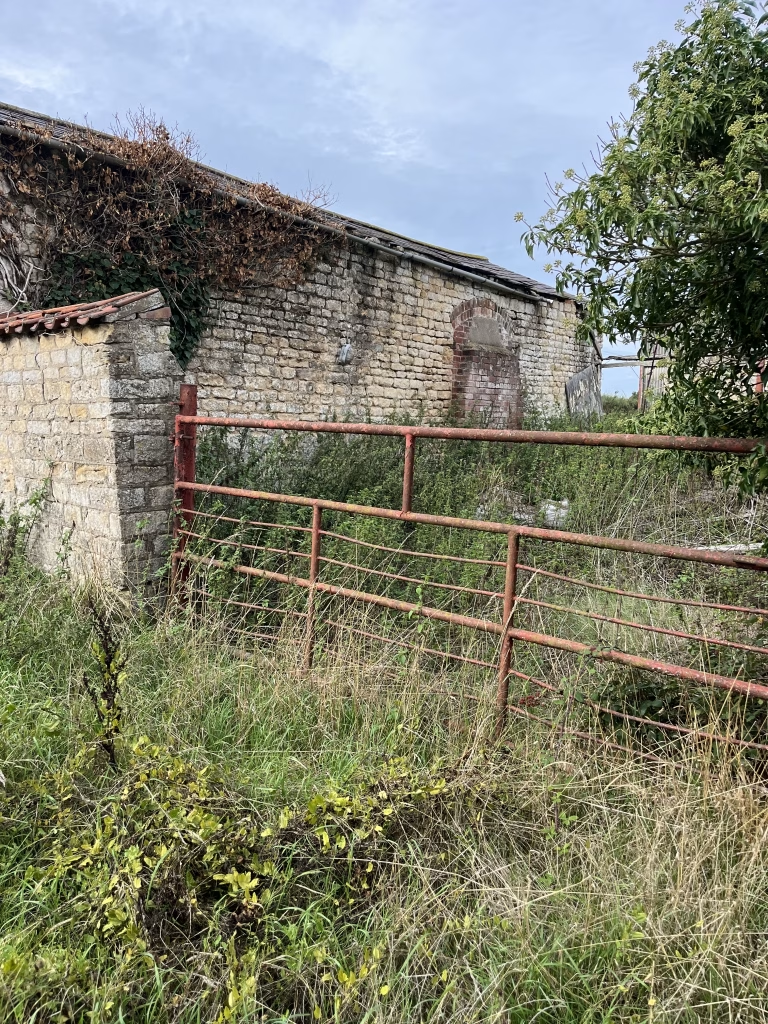
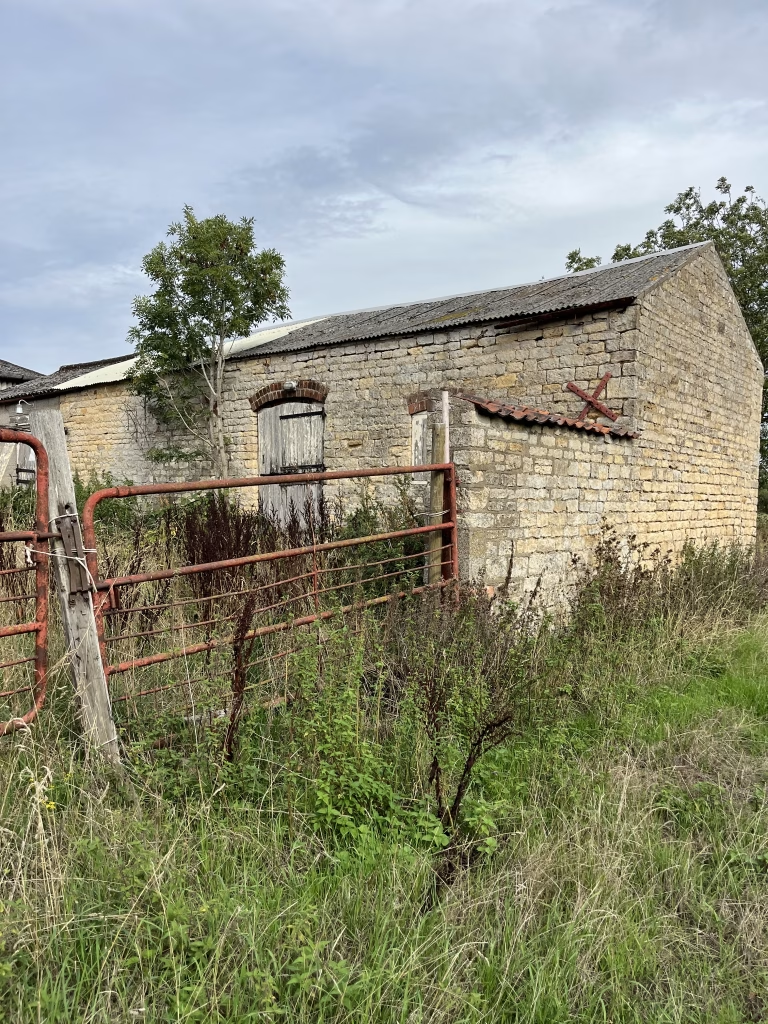
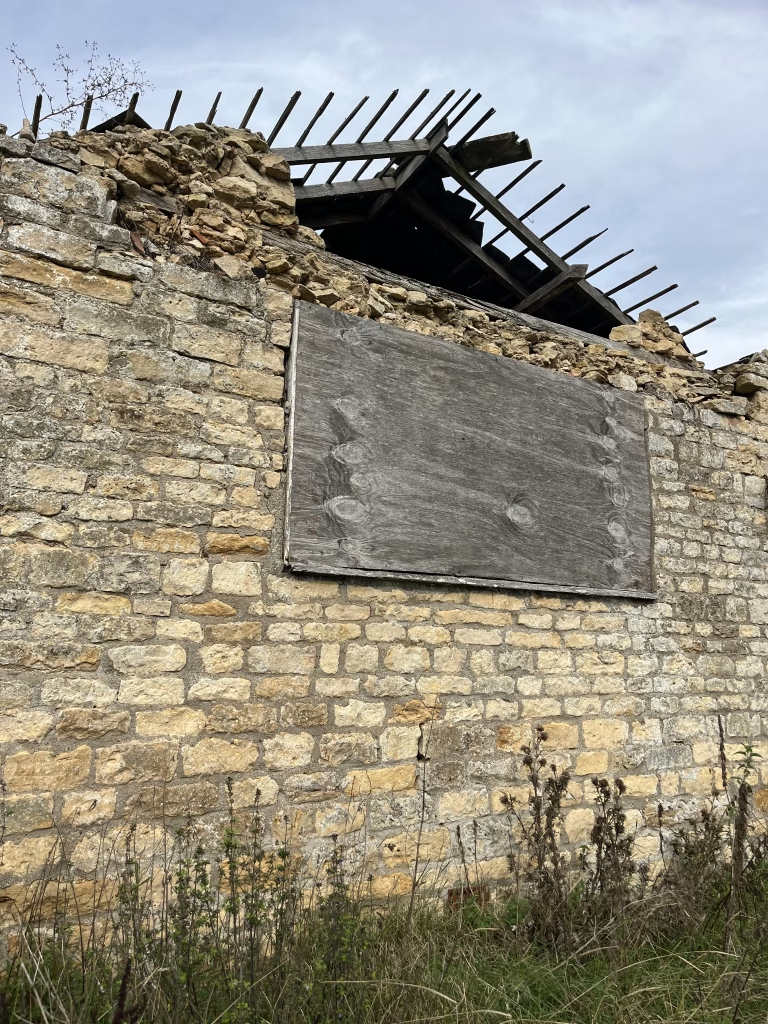
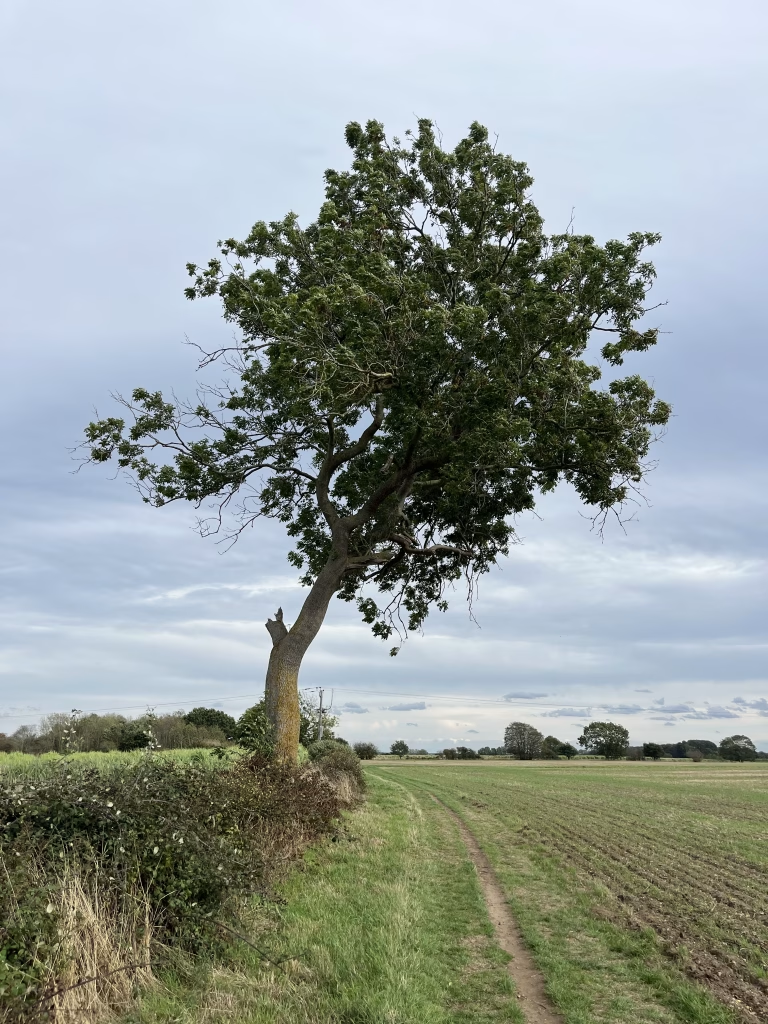
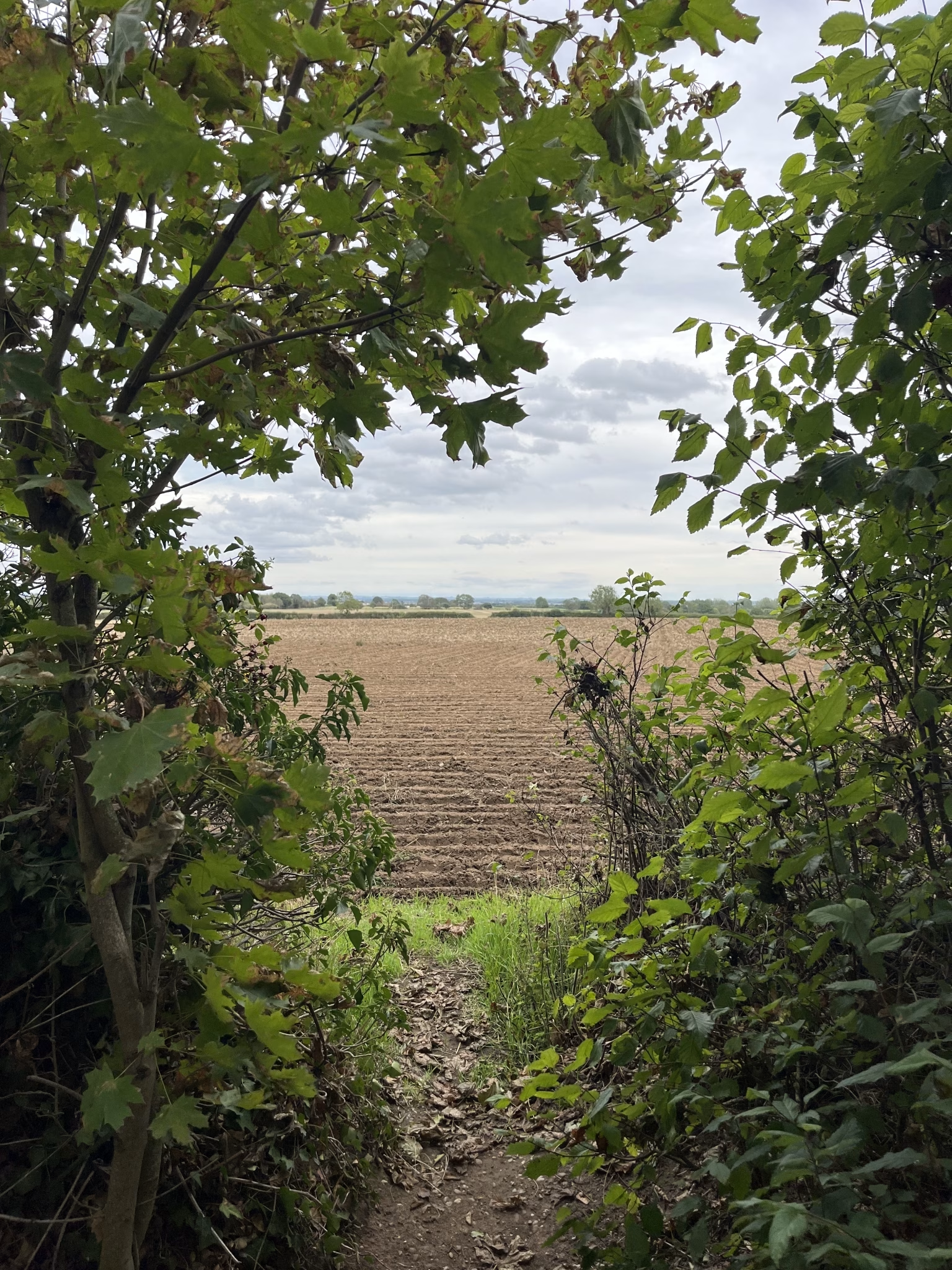
In times of stress and anxiety, I have found also that walking in nature offers many mental health benefits as we move through natural spaces, reducing rumination and mental fatigue.
As a lifelong biker and lover of the outdoors, one of my other earliest reads was Zen and the Art of Motorcycle Maintenance by Robert M. Pirsig. No doubt some of you have read it. Hopefully, you didn’t find it as challenging and dense a read as I did. My eldest daughter studied Philosophy at Stuttgart University and would without doubt have a better understanding of the heavy philosophy within its pages, breaking up, as it does, a simple cross-country motorcycle trip with deep, abstract mini-lectures on ethics, logic, and the definition of ‘quality’. Lost you yet!
In brief, the narrative jumps between the present-day road trip with the author’s son and the fragmented, troubled history of an alter ego named Phaedrus, who suffered a severe mental breakdown. Apparently, using a physical road trip and the tangible, hands-on task of fixing a motorcycle helps ground abstract ideas. What you won’t find is traditional dramatic action, rather a focus on internal thoughts and philosophical dilemmas. Whilst the core conflict between a cold, scientific worldview and an artistic, emotional perspective is easy to recognise in everyday life, one day I may need to delve between those pages again, perhaps to gain a better understanding of the narrative, but in some respects, life is too short.
May 2007 saw the publication of philosopher and biker Craig Bourne’s Motorcycles and the Meaning of Life. According to a brief overview on Amazon, the book applies traditional philosophical branches – like existentialism, aesthetics, and ethics – to the act of riding, facing mortality on a bike, and motorcycle subculture. TBH, and with all due respect, I may give that one a miss, too.
Rather, let’s head back to Fyodor Mikhailovich Dostoevsky who, to my mind, wrote one of the most hopeful paragraphs in history, written in 1889, three months prior to his death:
‘And I seem to have such strength in me now, that I think I could stand anything, any suffering, only to be able to say and to repeat to myself every moment, ‘I exist.’ In thousands of agonies – I exist. I’m tormented on the rack – but I exist! Though I sit alone on a pillar – I exist! I see the sun, and if I don’t see the sun, I know it’s there. And there’s a whole life in that, in knowing that sun is there.’
Every time I climb aboard a bike, or find myself in nature, I look up to the sky, and even if the sun is behind grey clouds, I remember it is there. Thank you, Fyodor.
Mike
A walk through nature can be so therapeutic