It was about this time last year that I took a decision that I hoped would bring some value to, not only my life, but also to that of fellow bikers. I had first come across the registered charity, Mental Health Motorbike, about three years back when they had a stand at Motorcycle Live! at Birmingham NEC. I made a donation and picked up a leaflet. Then I forgot about it. Which was a shame, because without doubt it is a worthy charity, existing to create meaningful opportunities to bring about a greater wellbeing for the biking community and, invaluably, to reduce suicide amongst bikers.
Last year, noting that the charity was aiming to build a national network of trained mental health first aiders who could ultimately support bikers and their families, I took the plunge and paid for the course, which began in January 2025 and ran for several three-hourly Teams sessions over the course of a few weeks. The course was certainly an eye-opener, in fact, invaluable, and it was interesting to note that some of the participants were themselves suffering from a range of mental health issues.
One particular part struck a chord with me, and that was the reference to poor mental health, so categorised when one temporarily struggles with such things as stress and/or low mood, but that does not need clinical intervention. On the flipside – and this is where I come into the equation – is mental ill-health, which involves persistent, significant symptoms such as depression, anxiety disorders, OCD, that can impair daily functioning and often require diagnosis and treatment.
No doubt many of us have, on occasion, felt stressed or anxious or unmotivated or lack concentration due to specific life events, but these are often time-limited and may resolve as circumstances improve or with self-care.
Suffering from mental ill-health, which is very often treated with medication, can have a significant, ongoing negative impact on daily life, whether it be at work, in relationships, or affect overall functioning. But let’s be clear. This is a medical condition, not a personal failing, although it can feel that way, and thus impact on daily life, affecting the ability to cope and interact.
Mood, thinking and behaviour are all affected, bringing about depression and anxiety and, significantly, PTSD. That hit me, quite literally, about four years ago when I was involved in a collision with a van. The big Indian Chieftain I was riding clattered down the road as I went over the bars, missed the van, but hit the Tarmac very hard, rolling several times before coming to a stop. The irony was that I was on my way home from a photoshoot, testing some new Oxford protective riding products and a new Schoei helmet.
Later, as I lay in bed, the reruns of the collision would begin. Over and over. Eventually, I was referred for talk therapy as a hoped-for pathway to recovery. What it actually did was bring to the surface childhood traumas, sexual abuse at prep school, recurring incidents from working for the ambulance service… things that I had never spoken about before. Did it help my recovery? In some areas, yes. The PTSD slowly receded, and, oddly enough, because I was talking with a stranger, it was relatively easy to speak out about some of those traumas that had been filed away in my subconscious.
I am happy to talk about my own issues, because psychotherapy (talk therapy) can be a way forward, but only if we are open to it, which brings me back to why I signed up for the Mental Health Motorbike course, because it is an invaluable support group.
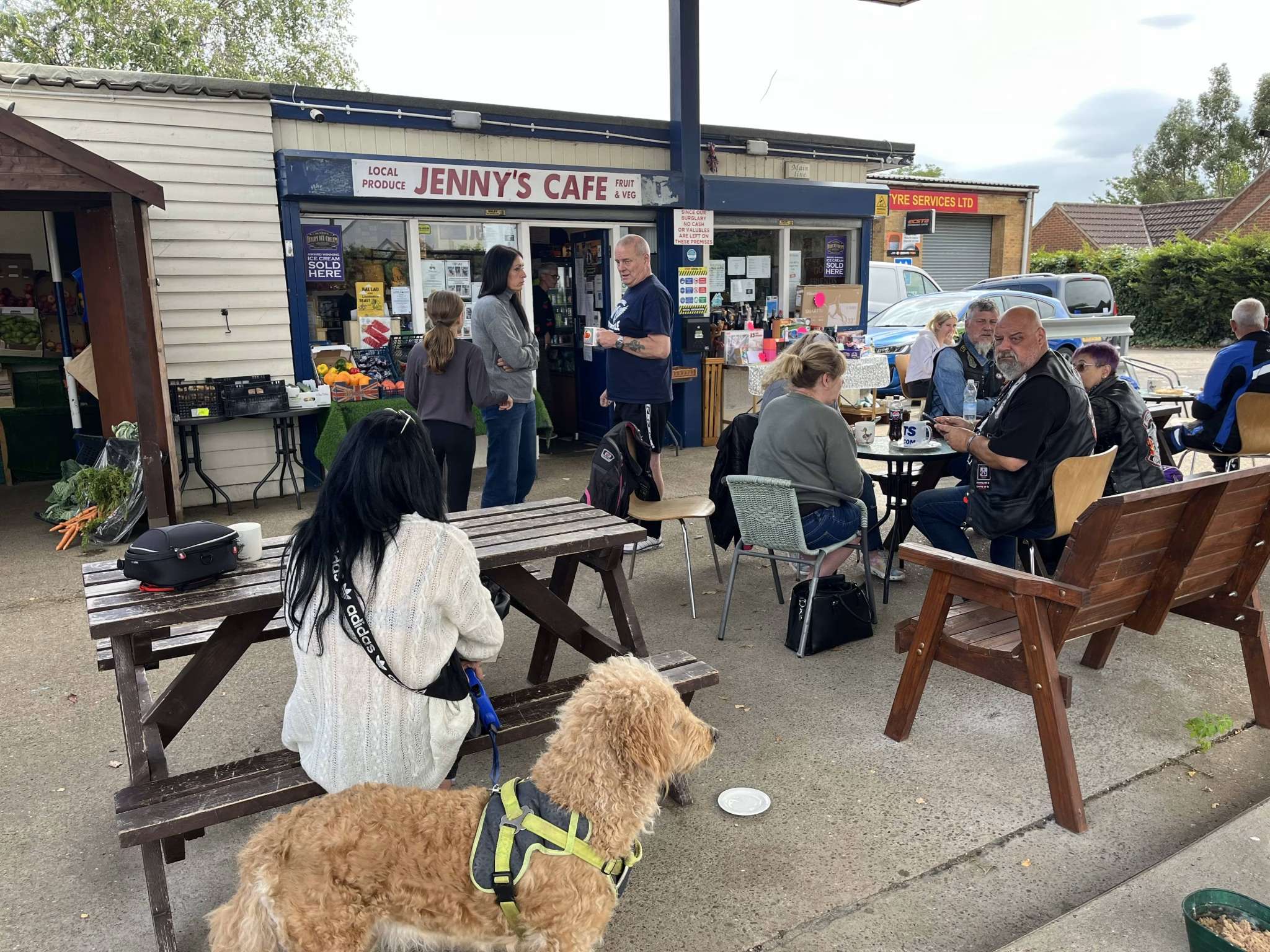
What I find so special about riding a bike is that at those café stops or bike meets, they throw open the door to conversation with fellow bikers. Simply talking is great therapy in itself. Riding is a brotherhood and sisterhood, and we are there for each other. Never forget that.